Should You Refinish or Replace Hardwood Floors? 7 Signs to Help You Decide
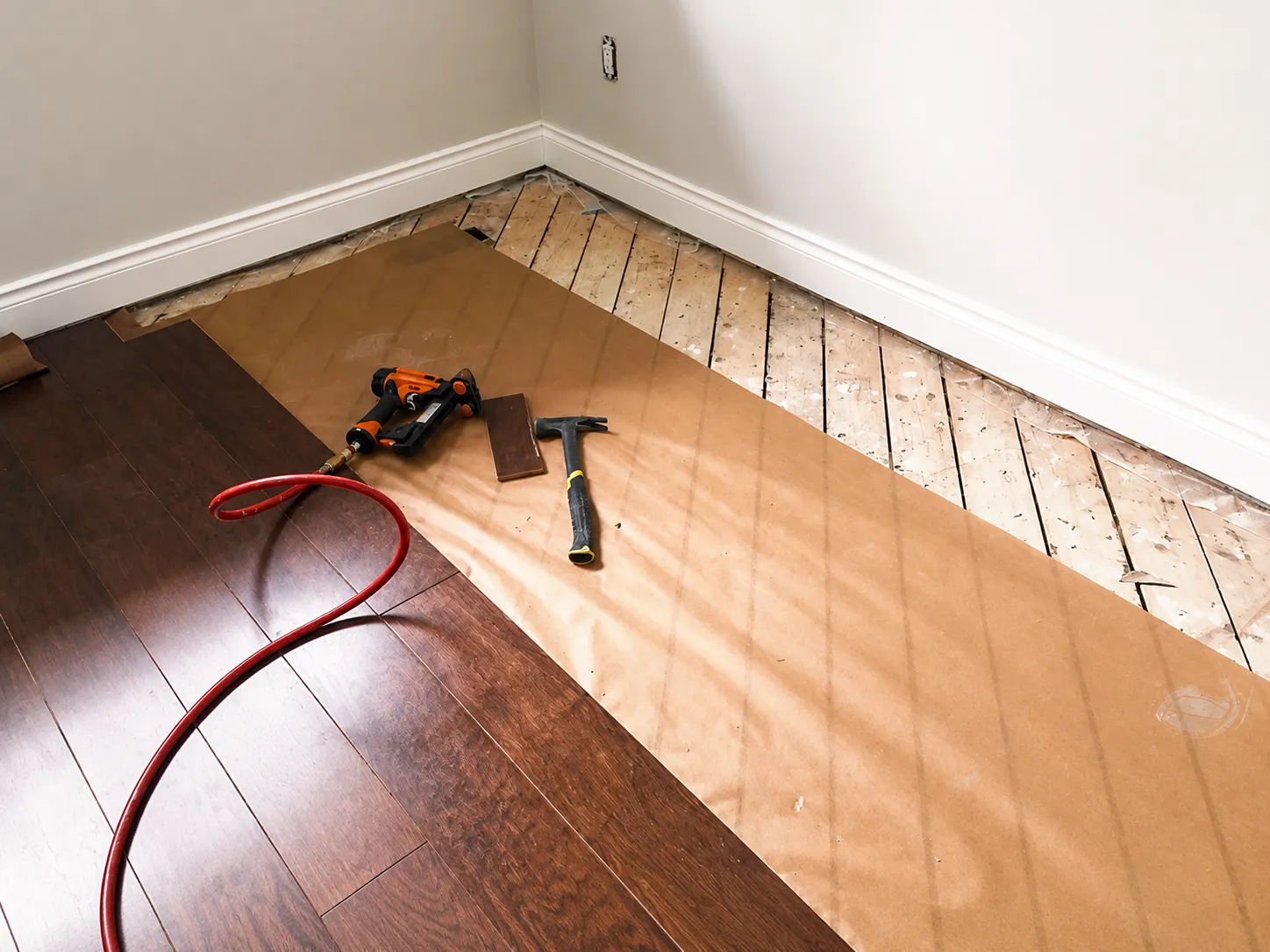
| What you see | What it usually means | Likely direction |
|---|---|---|
| Dull finish and light scratches | Wear sits near the surface | Refinish |
| A few cracked or stained boards | Damage stays in a limited area | Repair, then refinish |
| Widespread rot, movement, or missing boards | The floor has lost physical strength | Replace |
| Grey or black wood after water exposure | Moisture reached the wood | Fix the source, then inspect |
| Exposed fasteners or very thin boards | Little sanding depth remains | Replace or use a limited repair |
| Large gaps from removed walls or old renovations | The floor no longer forms one clean field | Repair or replace |
| A sound floor with an unwanted colour | The boards still work | Refinish |
Refinish a sound floor with surface wear. Replace a floor with broad structural damage, severe moisture damage, or too little wood left to sand.
That is the immediate answer. The rest comes down to inspection. That distinction saves time.
Hardwood records daily life. Chair legs cut arcs into finish. Grit settles near entrances. Water sits under planters. A dog chooses one route through the house and sticks to it. Ottawa adds wet boots, road salt, dry heating seasons, and humid summers. The floor takes notes.
The decision starts with three questions:
- Does the damage sit in the finish, in a few boards, or across the room?
- Do the boards remain firm, flat, dry, and well attached?
- Is there enough wood above the tongue, groove, fasteners, or engineered core for another sanding?
Refinishing removes the old coating and a thin layer of wood. It addresses dull finish, faded stain, light scratches, shallow dents, and limited surface damage. It keeps the boards in place.
Replacement removes part or all of the floor. It addresses rot, severe buckling, widespread movement, broken joints, missing sections, failed patches, and floors that have already lost too much thickness.
Colour does not decide the case. Orange stain, dark stain, yellowed finish, and uneven sheen look tired. They do not prove the boards have failed. Sanding and a new finish will change the visible surface when the wood below remains sound.
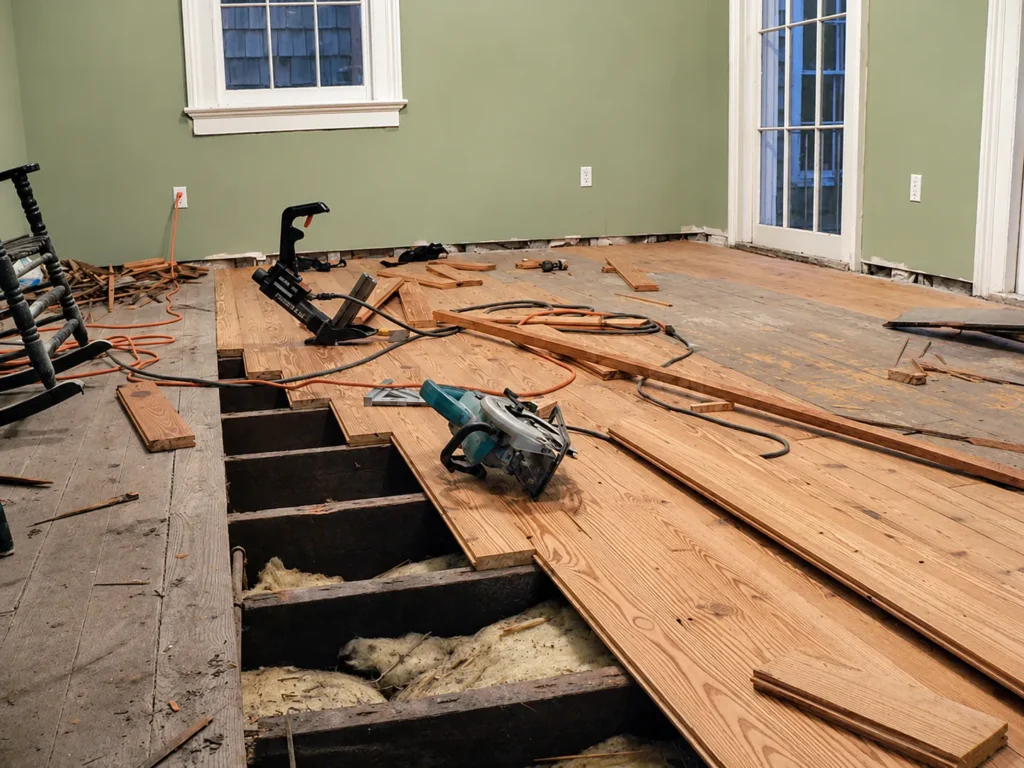
The Ottawa flooring comparison guide places hardwood beside carpet and vinyl plank. That context matters once replacement enters the discussion. Some rooms still suit hardwood. Some rooms need a material that tolerates moisture or heavy wear with less fuss.
Inspect the floor before choosing a finish colour or new product. The surface makes noise. The structure makes the decision.
Sign 1: Surface Wear Points to Hardwood Floor Refinishing
Choose refinishing when scratches, fading, and dullness sit at or near the surface.
Traffic wear forms clear patterns. Hallways lose sheen. Dining chairs leave repeated marks. Sunlight changes exposed boards while rugs preserve the old colour. Entryways collect grit and lose finish first.
These signs support refinishing:
- Fine scratches in the finish
- Dull or cloudy coating
- Uneven sheen
- Faded stain near windows
- Small dents without split fibres
- Limited bare wood in dry areas
- A stain colour you want to change
Run a fingernail across a scratch. A mark that does not catch the nail usually sits in the finish. A deeper scratch has entered the wood fibres. Sanding addresses both when the floor retains enough thickness.

A hardwood floor refinishing project in Ottawa normally includes sanding, edge work, surface preparation, and new finish. Stain is optional. The exact products and coat schedule depend on the floor and finish system.
Refinishing does not erase every mark. Deep dents remain visible. Wide gaps stay wide. Old nail holes survive. Dark stains that run through the board do not leave because a sanding machine passed over them. A refinished floor still has a history. It simply stops looking neglected.
Bare wood needs prompt attention. Once the finish wears through, the exposed fibres absorb dirt and moisture. A pale traffic lane near an entrance will darken after repeated contact with wet footwear. Sand and road salt also cut the surface as people walk across it.
A maintenance coat suits a different condition. It refreshes an intact finish after light abrasion. It does not remove deep scratches, exposed wood, or an unwanted stain colour. Full refinishing reaches bare wood and resets the surface.
Use the Ottawa hardwood refinishing cost guide to review the factors that affect a quote. Do not rely on a single square-foot number without checking repairs, stairs, furniture, room access, stain work, and finish type.
A worn surface looks serious. Sound boards tell a calmer story.
Sign 2: Deep Gouges Need Floor Repair Before Refinishing
Repair isolated damage, then refinish the connected area when the surrounding boards remain sound.
One cracked board does not condemn a room. Neither does a burn mark, a deep gouge, a damaged threshold, or a dark patch under an old planter. Local damage calls for a local answer.
Board repair or replacement fits these conditions:
- One or several split boards
- A small water-stained area
- Deep scratches through the finish
- Loose boards in one section
- Damage around a vent or doorway
- Pet stains limited to a few boards
- Burns or impact marks
- Gaps left by a small renovation

An Ottawa floor repair removes failed boards, secures loose material, or fills a damaged section. Refinishing then helps the repaired area sit within the existing floor.
The damaged area controls the decision. A stain across two boards creates a repair problem. Similar stains across several rooms point to a broader moisture or contamination problem. A few loose boards need fastening or replacement. Movement across the full room demands an inspection of the installation and subfloor.
Matching old wood takes care. Species, width, grade, grain, milling, thickness, and age affect the result. New boards start with a different colour because the surrounding wood has changed under light and air. Sanding and stain reduce the difference. They do not guarantee a perfect match.
Pet urine needs a direct inspection. A shallow mark might sand out. A dark stain or persistent odour might run through the board and into the material below. In that case, remove the affected boards and inspect the subfloor.
Do not use filler as a cure for a split board or broken joint. Filler closes small surface defects. It does not restore strength. The same rule applies to loose boards. Finish will not fasten wood to the subfloor.
Repair keeps sound material in place. Full replacement wastes usable boards when the failure stays in one area. Refinishing alone ignores the problem when fibres have split or contamination has entered the wood.
Count the damaged boards. Then inspect the boards around them.
Sign 3: Grey, Black, or Cupped Boards Reveal Moisture Damage
Stop the moisture source before sanding, repairing, or replacing the floor.
Water changes the decision. It enters through appliances, plumbing, radiators, exterior doors, wet footwear, foundation leaks, and concrete slabs. The visible stain is only one part of the problem.
Watch for these signs:
- Grey wood where finish has worn away
- Black staining near a leak
- Board edges raised above the centres
- Board centres raised above the edges
- Buckled sections lifting from the subfloor
- Soft fibres
- Persistent odour
- Recurring movement after wet weather
Grey colour sometimes sits near the surface after moisture reaches exposed fibres. Black staining needs closer inspection. Possible causes include prolonged water exposure, contamination, and reactions between wood and metal. Colour alone does not prove the depth of damage.

The Ottawa basement flooring guide matters because below-grade rooms face moisture from concrete, drainage problems, leaks, and indoor humidity. Below-grade rooms require product-specific moisture limits and subfloor preparation before installation.
Do not sand a wet or unstable floor. First, stop the leak or moisture source. Dry the area. Measure moisture in the flooring and subfloor. Then assess the remaining movement and damage.
Minor cupping sometimes reduces as the floor returns to stable moisture conditions. Severe buckling, broken fasteners, rot, and damaged subfloor point toward board replacement or full replacement. Sanding too early risks flattening a floor that will change shape again as it dries.
Refinishing remains an option when the source has stopped, the boards have dried, the subfloor remains sound, and the damage stays near the surface. Replacement becomes more likely when fibres feel soft, staining runs through the boards, odour remains, fasteners have failed, or damage covers a broad area.
Check hidden places. Lift mats. Inspect beneath appliances where access permits. Look beside radiators, patio doors, and pet bowls. Water travels under boards and cabinets. The visible edge does not always show the full area.
Moisture problems do not improve under a new finish. Fix the water first. The floor comes second.
Sign 4: Loose, Split, or Missing Boards Favour Hardwood Replacement
Replace the floor when damage affects its strength, attachment, or continuity across a large area.
A hardwood floor should feel firm underfoot. Small seasonal gaps and occasional squeaks do not prove failure. Widespread movement, long splits, broken joints, and missing sections do.
Replacement deserves serious consideration when:
- Many boards move under normal foot pressure.
- Splits run through several parts of the room.
- Tongues or grooves have broken.
- Rot has softened the wood.
- Insect damage has weakened boards.
- Exposed fasteners appear across the floor.
- Large sections are missing.
- Old patches cover a broad area.
- The subfloor needs major repair.
- Previous sanding left too little wood.

New hardwood floor installation in Ottawa gives access to the subfloor after removal. That access matters when movement comes from loose panels, damaged underlayment, poor fastening, or uneven areas below the hardwood.
Refinishing treats the upper surface. It does not rebuild a broken tongue, secure a failed adhesive bed, replace rotten fibres, or correct broad subfloor movement. A glossy finish on a loose board remains a loose board. It just reflects more light.
Do not confuse old age with failure. Older hardwood may remain firm and thick enough for repair or refinishing. Newer flooring is not immune to moisture exposure, installation faults, or product damage. Inspect the condition, not the calendar.
Partial replacement still works when damage stays in one section. A partial replacement removes the failed area, repairs the subfloor, installs matching boards, and refinishes the larger room. Full replacement makes sense when repairs would cover so much of the floor that little original material remains.
The Ottawa flooring installation cost guide lists the parts that shape a project quote. Removal, disposal, subfloor work, material, installation, trim, transitions, stairs, and access all affect the scope. Any number without those details lacks context.
A floor does not need to look new. It needs to stay solid, dry, and attached.
Sign 5: Thin Boards and Wear Layers Limit Another Sanding
Replace or limit the work when another sanding would expose fasteners, joints, or the core below the wood surface.
Every sanding removes wood. The amount stays small in a controlled job, but the floor still loses material. Previous sanding matters more than age.
Solid hardwood has usable wood above the tongue and groove. Once sanding approaches that joint, board edges weaken and fasteners become exposed. Engineered hardwood has a real-wood wear layer over a core. Its refinishing limit depends on the thickness of that top layer and the product construction.

The engineered hardwood flooring page for Ottawa explains the material used in local homes. Do not assume every engineered floor supports full sanding. Check the product record when available and inspect the wear layer at a floor register, transition, or removed board.
These signs call for caution:
- Nail heads appear across traffic areas
- Tongues show at board edges
- Seams splinter
- Past sanding left uneven thickness
- The surface sits close to the joint
- The engineered core shows through
- Patched boards sit at different heights
Industry guidance uses wear-layer thickness to judge whether engineered wood qualifies for refinishing. The exact decision still depends on the installed floor, previous work, damage depth, and sanding method. An on-site measurement gives the useful answer.
A maintenance coat removes less material than full sanding. It works when the existing finish remains bonded and the wood below has no deep damage. It will not remove stain colour, bare patches, deep scratches, or contamination.
Full refinishing reaches bare wood. That process needs enough material for a controlled cut across the room, including high spots and edges. A floor with thin areas might support a small repair but not a full sanding.
Board thickness also affects replacement patches. New boards might sit higher than heavily sanded old boards. The repair then needs fitting, milling, or a wider replacement area.
Look at an exposed edge before making the call. The top tells you how the floor looks. The edge tells you what remains.
Sign 6: Room Changes and Mismatched Areas Point to Replacement
Choose replacement when renovation scars, mismatched materials, or major layout changes prevent one coherent floor.
Renovations leave evidence. A wall comes out. A kitchen expands. A closet disappears. An old floor vent gets filled. Two rooms become one, and the boards run in different directions.
Refinishing unifies colour and sheen. It does not change species, width, thickness, direction, or pattern.
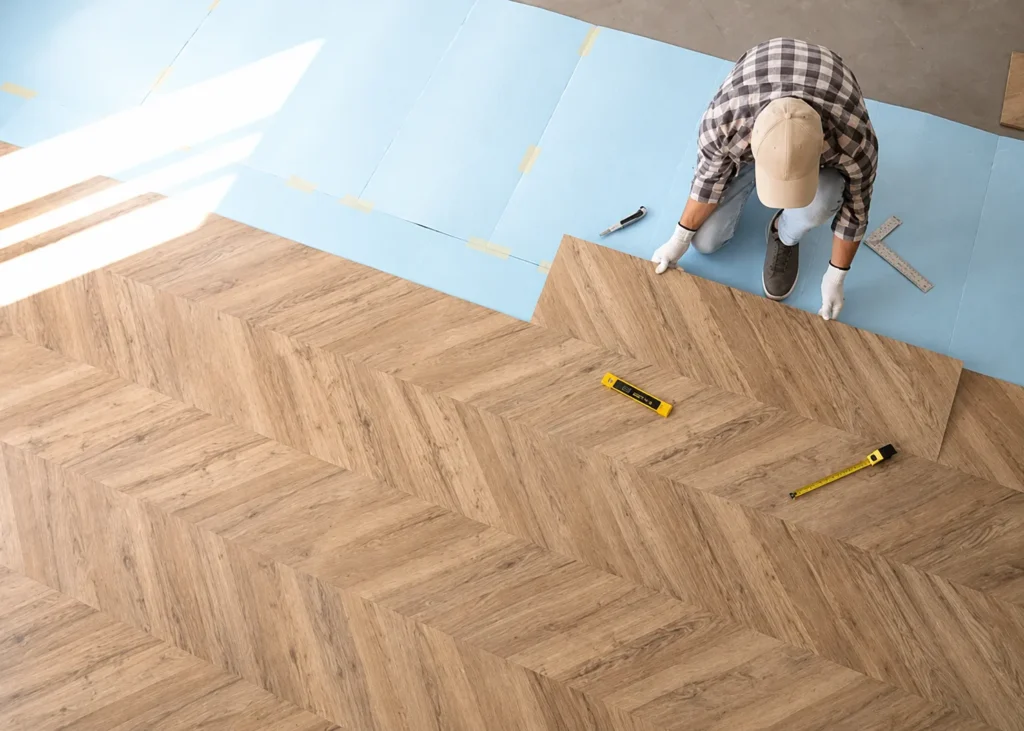
A repair still works in many rooms. New boards fill a former wall line or damaged section. A woven repair blends new boards into the existing field. The result depends on compatible wood, enough stable flooring around the patch, and a layout that allows clean cuts.
Replacement becomes more practical when the room contains:
- Several wood species
- Multiple board widths
- Opposing board directions
- Large missing sections
- Major height changes
- Extensive old patches
- Adhesive residue from former flooring
- Transitions placed in open sightlines
- Unfinished areas exposed by new cabinets or walls
The Ottawa guide to carpet, hardwood, and vinyl plank helps frame the material decision if the existing hardwood no longer suits the room. Moisture exposure, traffic, maintenance, and subfloor conditions should drive that choice.
Stairs also affect the scope. Main-floor hardwood meets treads, nosing, landings, and rail parts. A colour change on the floor leaves the stairs visibly separate. The Ottawa hardwood stairs page shows the related work involved.
Set expectations for patches. New and old wood rarely start with the same colour. Grain also varies from board to board. Sanding and stain reduce visual breaks, but natural variation remains. A visible repair is not automatically a failed repair.
Replacement gives one board direction, one height, and one material across the planned area. Repair keeps more original wood and causes less removal. The floor plan decides which answer makes sense.
Measure the missing sections. Mark the transitions. Then look at the room without the furniture hiding its past decisions.
Sign 7: Flooring Cost, Dust, and Downtime Set the Final Boundary
Compare the full scope of each option, not a single price per square foot.
Some floors support refinishing and replacement. The project plan then settles the matter.
Refinishing keeps the boards in place. The work includes clearing rooms, sanding, edge work, dust control, repair, stain when selected, finish coats, drying, and restricted access.
Replacement adds removal, disposal, material delivery, subfloor inspection, preparation, cutting, fastening or adhesive, trim, and transitions. Stairs add separate detail work in either project.
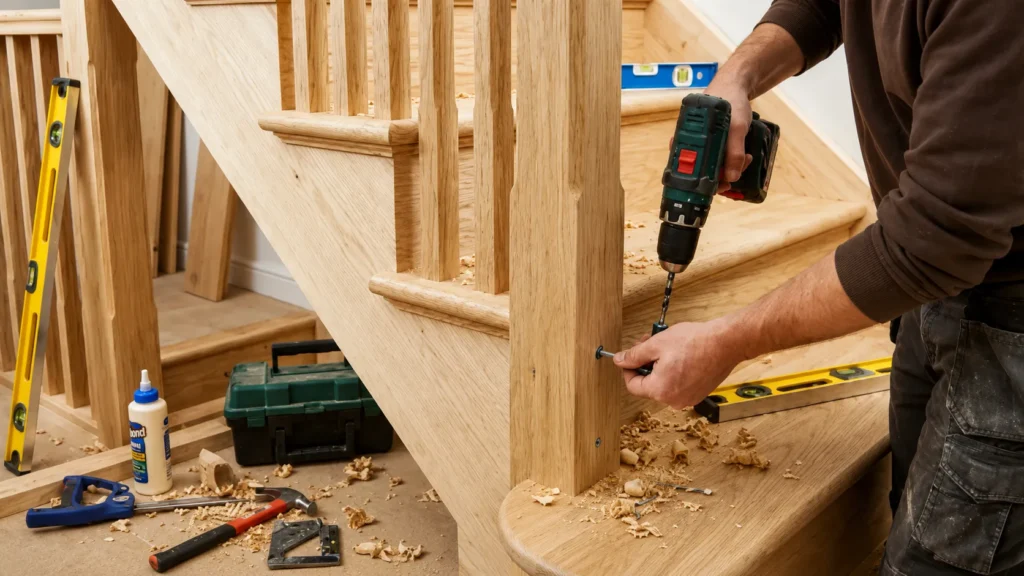
Use the Ottawa flooring cost calculator as a planning tool. A written quote should state what the contractor included. Check repairs, removal, disposal, subfloor work, stain, finish system, coats, trim, transitions, stairs, furniture, and taxes.
Do not publish or rely on a fixed local price without a current, verified source and a defined scope. Floor condition changes the labour. Product choice changes the material cost. Access changes the job.
Use these final questions:
- Are the existing boards firm, dry, and well attached?
- Does the floor retain enough wood for the required sanding?
- Will refinishing solve the real problem?
- Does replacement expose needed subfloor repairs?
- Which option fits the room layout and access limits?
Three clear yes answers to the first three questions support refinishing. Several no answers point toward repair or replacement. An inspection settles uncertain cases.
Frequently Asked Questions
Can every solid hardwood floor be refinished?
No. The floor needs enough wood above the tongue, groove, and fasteners. Rot, broad splitting, severe movement, and heavy past sanding rule out another full sanding.
Can engineered hardwood be refinished?
Some engineered products support refinishing. Others support only a maintenance coat or no abrasive work. Wear-layer thickness and product construction control the decision.
Will refinishing remove pet stains?
Refinishing removes shallow stains. Deep urine stains sometimes pass through the board and reach the subfloor. Those areas need inspection and might require board replacement.
Does refinishing fix squeaks?
No. Sanding does not stop movement below the surface. Secure loose boards or repair accessible subfloor problems before finishing.
Should grey hardwood always be replaced?
No. Grey colour can sit near the surface where finish has worn away. Deep staining, soft fibres, odour, or recurring moisture need further inspection.
Is replacement required after removing a wall?
No. A board repair fills a narrow wall line. Large gaps, unavailable material, different board directions, and height changes make replacement more practical.
What is the clearest sign that replacement is needed?
Widespread loss of strength. Rot, broken joints, severe buckling, broad movement, and insufficient sanding depth leave little value in a finish-only repair.