Best Flooring for an Ottawa Basement: LVP, Tile, Carpet or Engineered Hardwood?
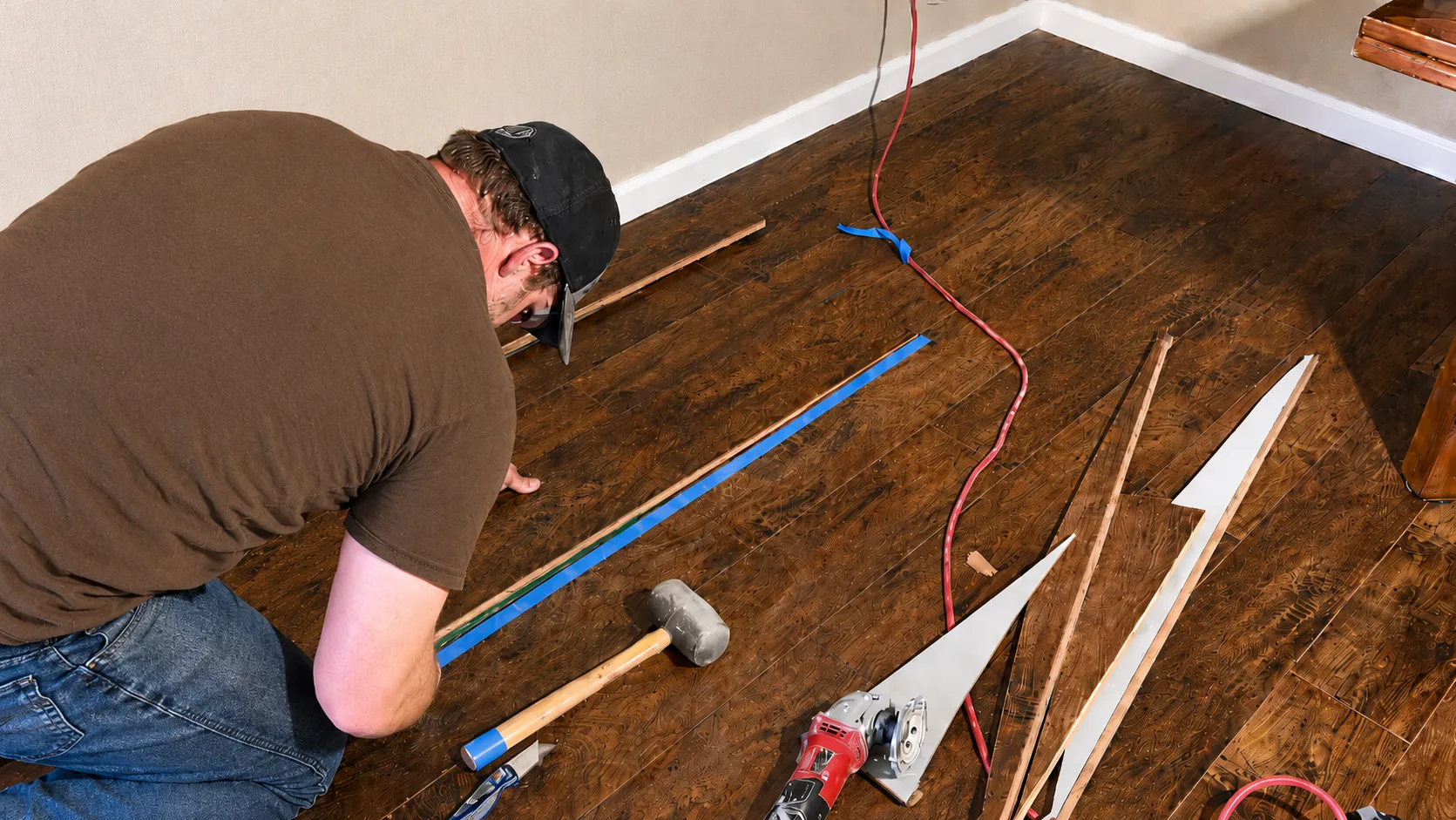
A basement floor is only as reliable as the concrete and drainage beneath it.
That matters in Ottawa, where soil conditions, seasonal snowmelt and heavy rain can place pressure on foundations and drainage systems. Some basements remain dry for decades. Others develop damp patches, condensation or occasional leaks. Before choosing a floor, find out which kind of basement you have.
Ask about previous flooding, sewer backups and foundation repairs. Look for water stains, musty odours, efflorescence, lifted flooring and damaged baseboards. Check whether the property has a sump pump, backwater valve or history of drainage work.
These details matter more than the colour or finish of the floor.
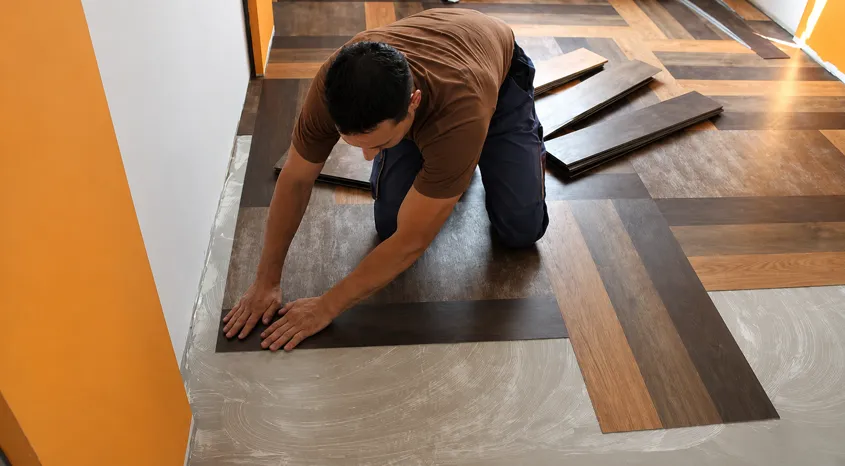
Where Basement Moisture Comes From
Basement moisture generally appears in one of three ways.
Bulk water enters through foundation cracks, window wells, drains, plumbing failures or gaps around the building envelope.
Moisture vapour moves through the concrete slab. A floor can look dry while still releasing enough moisture to interfere with adhesives or flooring materials.
Condensation occurs when humid indoor air meets a cold floor or wall surface.
No flooring product fixes these underlying conditions. A plank marketed as waterproof may survive a spill, but that does not prevent water from travelling underneath the floor. If moisture becomes trapped, it can affect adhesives, underlayments, baseboards and nearby wall materials.
Repair known water-entry and drainage problems before installing a finished floor.
Test the Concrete
Visual inspection is a useful starting point, but it does not replace moisture testing.
Flooring manufacturers commonly specify tests such as ASTM F2170, which measures relative humidity within a concrete slab, or ASTM F1869, which measures moisture vapour emission from the slab’s surface. The appropriate test and acceptable result depend on the flooring system, adhesive and manufacturer.
Ask the installer:
- Which test does the manufacturer require?
- Who will perform it?
- Where and when will it be performed?
- What results are acceptable for the selected product?
- Will the results be recorded in writing?
Do not rely on a universal moisture number. Follow the instructions for the exact flooring product and installation method. Failure to do so may lead to flooring problems and could affect the warranty.
Ceramic and Porcelain Tile
Tile is often the most resilient basement-flooring option when occasional water is a concern. Porcelain and ceramic surfaces do not react to moisture the way carpet or wood does, and they are generally easier to clean after a minor leak.
However, tile is only one part of the floor assembly. The condition of the slab, mortar, grout, movement joints and any membrane underneath the tile all affect performance. Cracks or movement in the concrete may transfer through the finished surface unless the installation system is designed to accommodate them.
Uncoupling membranes, including systems such as Schluter-DITRA, may provide uncoupling and vapour-management benefits. Some assemblies can also provide waterproofing when all seams, edges and connections are completed according to the manufacturer’s instructions. Installing only part of the system does not produce the same result.
Tile also has drawbacks. It feels cold underfoot, offers little cushioning and can make a basement sound more reflective. Electric floor warming can improve comfort, but the heating system must be approved for the chosen tile assembly and installed in accordance with electrical requirements.
Tile is a strong choice for laundry rooms, utility areas, entrances and other spaces where easy cleanup matters. Even so, a serious flood still requires inspection of walls, insulation, trim and other materials around the floor.
Luxury Vinyl Plank
Luxury vinyl plank is popular in basements because it is durable, easy to clean and available in a wide range of finishes. Many products are approved for below-grade installation, but approval varies by product and collection.
Before buying, confirm:
- The product is approved for below-grade concrete.
- The slab meets the manufacturer’s moisture limits.
- The concrete is flat enough for the locking system.
- The underlayment is permitted.
- Required expansion gaps can be maintained.
- The layout will not obstruct drains or cleanouts.
Some rigid-core products, including those made by Karndean and other manufacturers, are described as waterproof. In this context, waterproof generally refers to the planks themselves. It does not mean the finished floor prevents water from reaching the slab or adjoining walls.
If water enters around the perimeter of a floating floor, it can spread beneath the planks. The visible surface may look fine while moisture remains trapped below. Depending on the event, sections of flooring may need to be removed so the slab and surrounding materials can be inspected and dried.
LVP is a reasonable choice for a basement that has a reliable history of remaining dry. It is less suitable where leaks are recurring, moisture tests exceed the product’s limits or floor drains must remain readily accessible.
Carpet
Carpet makes a basement feel warmer and quieter. In a dry bedroom, office or family room, those benefits may outweigh the added maintenance risk.
The main concern is water recovery. Carpet, backing and cushion can retain moisture against the slab. After a clean-water leak, professional drying may be possible if work begins quickly. Carpet exposed to sewage, contaminated floodwater or prolonged dampness will often need to be removed.
Installation requirements also vary. Stretch-in, direct-glue and double-glue systems do not have identical preparation and testing requirements. The Carpet and Rug Institute’s CRI 105 standard provides industry guidance, but the carpet, cushion and adhesive manufacturers may impose additional conditions.
For a carpeted basement, confirm that:
- The room has no unresolved water problems.
- The carpet and cushion are approved for the location.
- The slab is properly prepared.
- Indoor temperature and humidity can be controlled.
- The installation method follows current manufacturer instructions.
Carpet tile can make localized replacement easier, but it does not eliminate the risk of moisture beneath the floor.
Engineered Hardwood
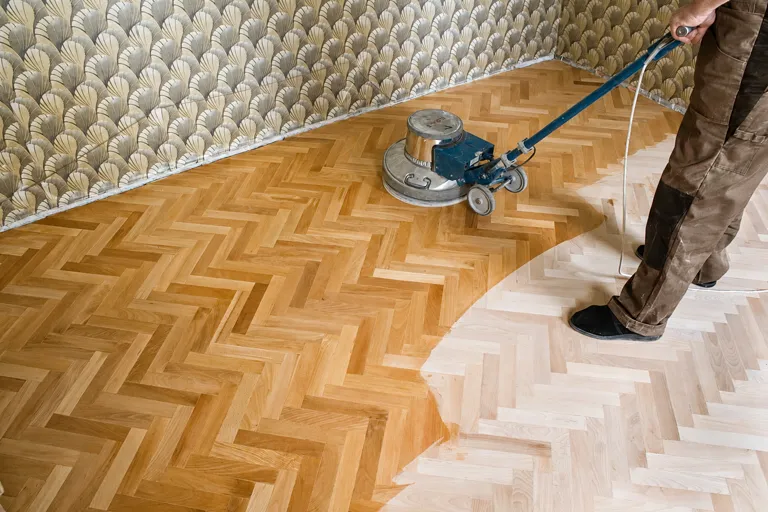
Engineered hardwood is more dimensionally stable than solid hardwood, but it is still a wood product. Changes in moisture and humidity can cause swelling, shrinking, cupping or damage to the finish.
Some engineered hardwood collections are approved for below-grade installations. Others are not. Approval from one manufacturer, or even one collection, should not be assumed to apply to another.
Check the exact product for:
- Below-grade approval
- Concrete moisture limits
- Permitted installation methods
- Adhesive or underlayment requirements
- Acclimation instructions
- Acceptable temperature and humidity ranges
- Warranty exclusions
Engineered hardwood can work in a basement with dependable drainage, a dry slab and year-round climate control. It is a poor choice where the basement has recurring leakage or large seasonal swings in humidity.
Homeowners who choose it should understand that its appearance comes with more risk and maintenance than tile or vinyl.
The Right Order of Operations
Choose a basement floor in this order:
- Review the basement’s water and repair history.
- Correct drainage, plumbing or foundation problems.
- Inspect and test the concrete.
- Select a product approved for the conditions.
- Prepare the slab according to the manufacturer’s requirements.
- Install the complete flooring system as specified.
Changing that order can turn a flooring purchase into an expensive repair.
Questions to Ask the Installer
A qualified installer should be able to answer the following questions clearly:
- What is the exact product and collection?
- Is it approved for below-grade installation over concrete?
- Which moisture test does the manufacturer require?
- Can I receive a copy of the test results?
- Do the results fall within the manufacturer’s limits?
- Does the slab require crack repair, grinding or levelling?
- What underlayment, membrane or adhesive is approved?
- What happens if water gets underneath the floor?
- Will the installation restrict access to drains or cleanouts?
- Which site conditions could void the warranty?
The answers should come from the current technical documents for the selected product, not from assumptions based on similar flooring.
The Bottom Line
For an Ottawa basement with some risk of occasional water, a properly installed tile system is generally the most forgiving option.
Luxury vinyl plank works well in many dry basements, provided the slab passes the required tests and the homeowner understands that water can travel underneath a floating floor.
Carpet offers warmth and comfort but carries the highest cleanup risk after a leak or flood.
Engineered hardwood can be installed below grade only when the specific product allows it and the basement remains consistently dry and climate controlled.
The best basement floor is not simply the one that handles water well. It is the one that suits the actual condition of the basement, is installed as a complete system and can be inspected or repaired if something goes wrong.
Fix the basement first. Then choose the floor.